
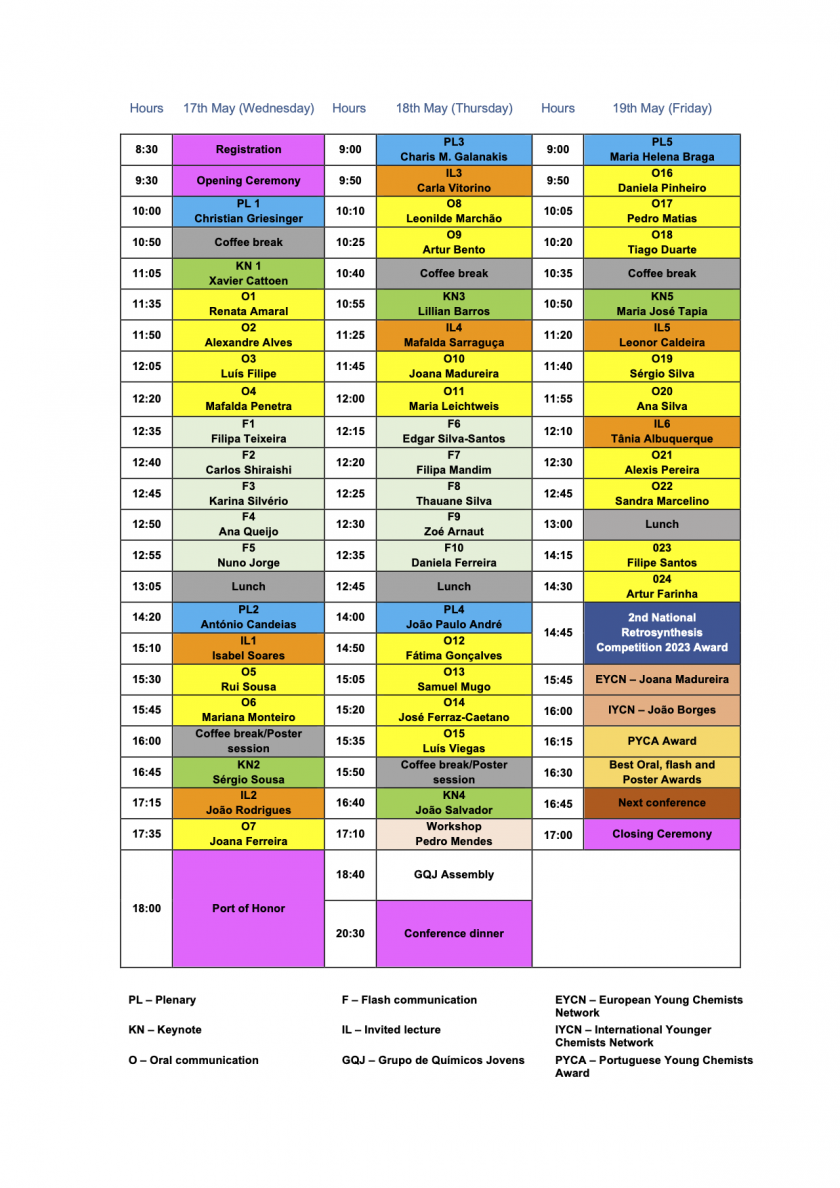
Programme
Program
Plenary Lectures
(45+5 min)
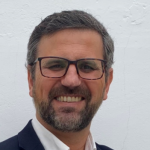
António Candeias
Departamento de Química e Bioquímica da Escola de Ciências e Tecnologia - Universidade de Évora, Portugal
António Candeias
Departamento de Química e Bioquímica da Escola de Ciências e Tecnologia - Universidade de Évora, Portugal
Licenciado em Química Tecnológica e pós-graduado em Química Aplicada ao Património Cultural pela Faculdade de Ciências da Universidade de Lisboa, Doutorado e Agregado em Química pela Universidade de Évora. Professor Catedrático do Departamento de Química e Bioquímica da Escola de Ciências e Tecnologia da Universidade de Évora, foi Vice-Reitor para a Investigação e Desenvolvimento (maio 2018 – jan 2022) e Diretor do Instituto de Investigação e Formação Avançada (set 2018-maio 2022) da mesma Universidade. Especialista em Química de Superfícies e Ciências do Património, fundou o Laboratório HERCULES e foi seu diretor desde a sua criação em janeiro de 2009 até fevereiro de 2019. Atualmente, é investigador do Laboratório HERCULES, Coordenador da Cátedra City University of Macau em Património Sustentável, Coordenador Científico do Laboratório José de Figueiredo da Direção Geral de Património Cultural, Diretor da Plataforma Portuguesa da Infraestrutura Europeia de Investigação em Ciências do Património (infraestrutura ERIHS.pt) do Roteiro Nacional de Infraestruturas de Investigação de Interesse Estratégico e diretor do Laboratório Associado para a Investigação e Inovação em Património, Artes, Sustentabilidade e Território (IN2PAST). É membro do Conselho Nacional de Cultura como individualidade de mérito reconhecido. Coautor de mais de 300 artigos internacionais, dos quais 201 estão indexados na base de dados SCOPUS. Tem uma vasta experiência na coordenação de projetos em mecanismos de financiamento competitivos internacionais e nacionais (track record: > 10 Meuros).
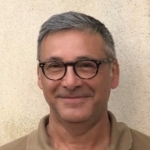
João Paulo André
Department of Chemistry - University of Minho, Portugal
João Paulo André
Department of Chemistry - University of Minho, Portugal
João Paulo André, Assistant Professor at the Department of Chemistry of the University of Minho, has a degree in Chemistry (Educational Branch) from the University of Coimbra and earned his PhD from the University of Basel (Switzerland) in the field of Medicinal Inorganic Chemistry.
Education and public outreach, centered on the relations of science with music, literature and art, has been an important part of his academic activity in recent years. He is the author of Poções e Paixões - Química e Ópera, published by Gradiva (2nd edition, 2019), which has been included in the National Reading List (Plano Nacional de Leitura) and produced in braille and in an audio format by the National Library of Portugal. His most recent book, Irmãs de Prometeu - A Química no Feminino (Gradiva, 2022), tackles the history of science, focusing on the women who contributed to the development of chemistry.
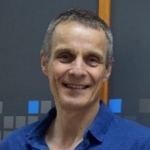
Christian Griesinger
Max Planck Institute for Multidisciplinary Sciences - University of Göttingen, Germany
Christian Griesinger
Max Planck Institute for Multidisciplinary Sciences - University of Göttingen, Germany
Education
1979 – 1982 Chemistry and Physics, University of Frankfurt, Germany
1982 Prediploma in Physics, University of Frankfurt, Germany
1984 Chemistry, University of Frankfurt, Germany, Diploma (summa cum laude; Mentor: H. Kessler)
1984 – 1986 Chemistry, University of Frankfurt, PhD (summa cum laude; Mentor: H. Kessler)
1986 – 1989 Postdoctoral fellow in the Laboratorium for Physical Chemistry, ETH Zurich (Mentor: R.R. Ernst, Nobel laureate 1991)
Research Experience
2001 - Honorary Professor, University of Goettingen
July 1999 - Department Director and Scientific Member at Max Planck Institute for biophysical Chemistry, Goettingen
Jan 1990 – Sept. 2000 Full Professor for Organic Chemistry, University of Frankfurt
Activities & Community Service:
2021 Organizer of the German NMR meeting (zoom)
2020-2022 Co-Organizer of the lecture series: Emerging topics in Magnetic Resonance (zoom)
2020- Eccelenza Panel of the Swiss National Fund/co-chair since 2022
2017/2019 Vice Chair/Chair of the Gordon conference for magnetic resonance
2019 Panel National Science Centre (NCN) Krakow, Poland
2016-2018 Panel of the Norwegian science foundation on life sciences
2015 Panel of Swiss National Science Foundation
2014,16,18,20 ERC advanced grant panel LS1
since 2014 IAB member of the TIFR Mumbai/Hyderabad
2013 Cofounder of MODAG GmbH: https://www.modag.net/index.php/de/
since 2013- IAB member of uNMR-NL
since 2012- SAB of TGIR RMN THC
2007- 2011 Member of the Göttingen Research Council
2007-2008 Managing Director of the Max Planck Institute for Biophysical Chemistry
2007 Organizer of the German NMR meeting, Göttingen (250 participants)
2006 Organizer of the ICMRBS Göttingen (850 participants)
2006-2016 Main organizer of EMBO course: “Advanced biomolecular NMR (biannual)”
2006-2012 Member of and Chairperson of (since 2009) of the SAB of FMP, Berlin
2005 - Mentor of MPG (until 2009) and of MPI (from 2009) Partner group at UN Rosario
and since 2013 of Max Planck Laboratory (Claudio Fernandez)
2004 -2012 DFG study section member: Basics of Biology and Medicine
2004 - Associate Editor for FEBS letters
2002- 2012 Member of the Russel Varian prize committee (15.000 € prize)
2002-2010 Member of the EUROMAR committee
2000 Chair of the Executive Committee of the 41st ENC, Asilomar, CA, USA
(1500 participants)
1998 Cofounder of MRPHARM
1997 - 2013 Associate Editor of Journal of Magnetic Resonance
1997 – 2001 Contact Professor for the Fonds der Chemischen Industrie
1995 – 2000 Codirector of the Large Scale Facility of Biomolecular NMR, University of Frankfurt
1995 – 2001 Member of the Executive Committee of the ENC
1994 – 1996 Member and 1997-2000 Chairman of the Executive Committee of GDCH subgroup Magnetic Resonance Spectroscopy
1994 - Member of the GDCh
1993 – 1997 Chair of the Institute for Organic Chemistry, University of Frankfurt
Honors and Awards `
2019 Günther Laukien Prize awarded at ENC, Asilomar, CA, USA.
2016 KMRS Prize (Korean magnetic resonance society)
2014 Ampere Prize received at EUROMAR, Zürich
2014 PEP award for MODAG in the category: Gründungsprojekte in der Frühphase
2014 Corresponding Member of the Bayerische Akademie der Wissenschaften
2013 Dr. h.c. University of Rosario, Argentina & Recognition by the House of Representatives of Argentina, Buenos Aires, Argentina
2012 Theodor Bücher award Lecture held at FEBS and IUBMB congress, Sevilla, Spain
2011 Elected member of EMBO
2011 ELHUYAR-GOLDSCHMIDT prize of the Royal Society of Spain and the GDCH
2009 Honorary member of the National Magnetic Resonance Society (India)
2008 ERC Advanced grant: HiddentimeNMR
2008 Elected Member of the National Academy of Sciences, Leopoldina
2007 - Elected member of the Academy of Sciences of Goettingen
2003 Otto-Bayer-Prize
1998 Leibniz Prize of the Deutsche Forschungsgemeinschaft
1997 Sommerfeld Prize of the Bavarian Academy of Science
1996 Prize for the best Chemistry Book of the Fonds der Chemischen Industrie together with Prof. Quinkert and Prof. Egert for “Aspects of Organic Chemistry”
1989 Young Scientist’s Stipend of the Fonds der Chemischen Industrie
1987 PhD award, University of Frankfurt
1986 Stipend of the Fonds der Chemischen Industrie for finish of the PhD study
1984 – 1986 Stipend of the Fonds der Chemischen Industrie for PhD students
1979 – 1984 Member of the Studienstiftung des Deutschen Volkes
1978 Bronze Medal. International Chemistry Olympiade, Torun Poland
Research Interests
- Synthesis and elucidation of structure and dynamics of biologically active molecules (proteins, peptides, DNA, RNA, oligosaccharides) using NMR spectroscopy in solution and in the solid state.
- Methods- and software development for multidimensional NMR spectroscopy
- Elucidation of mechanisms of Enzymes
- Structural biology of neurodegenerative diseases and immunologically interesting proteins, interference with aggregation in neurodegeneration and other biological systems
- Transmembrane signalling
- Stereochemistry of natural products
Publications: 455 according to ISI web of science (au = griesinger c and (ci = Gottingen or ci = Frankfurt or ci = Zurich),
Citations: more than 28000 according to ISI web of science
Patents: 10, Companies co-founded: 2
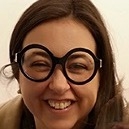
Maria Helena Braga
Engineering Physics Department - University of Porto, Portugal
Maria Helena Braga
Engineering Physics Department - University of Porto, Portugal
Maria Helena Braga is an Associate Professor in the Engineering Physics Department at the University of Porto; she was head of the department from 2019-2021. She has contributed research in light alloys, lead-free solders, and hydrogen storage materials, and she is credited with creating ferroelectric-glass electrolytes and novel energy harvesting and storage devices. Owing to this latter research initiated at the University of Porto, she was invited by Professor John B. Goodenough, Nobel Prize of Chemistry 2019, to collaborate on the research of all-solid-state batteries based on her glass electrolyte and, so, from 2016-2019, she was too a Senior Research Fellow at the University of Texas at Austin.
From 2008-2011 she was a Long-Term Visiting Staff Member at the Los Alamos National Laboratory, working in Neutron Scattering spectroscopy and diffraction (6 different instruments and 19 proposals with attributed beam time).
She has filled 16 patents, from which three are assigned to an international company, and 67 peered reviewed papers, from which 41 as first author and seven high impact journals (2 IF: 39.714, 1 IF: 19.162, 1 IF: 19.924, 2 IF: 16.383, 1 IF: 14.511), and nine book chapters or extended reports. She imparted 60 invited lectures/seminars or interviews and 104 communications at international conferences.
In 2020, she was awarded the Exame Informatica (Exam Informatics) personality award for her work on energy storage, and in 2021 the BIP Proof award (Soli@uto team) was chosen for Women in Science book 2021, and ScaleUp by the Municipality of Porto, and featured in Making the Future University of Porto's 110 years.
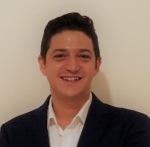
Charis M. Galanakis
Food Waste Recovery Group - Taif University, Saudi Arabia
Charis M. Galanakis
Food Waste Recovery Group - Taif University, Saudi Arabia
Dr. Charis M. Galanakis (https://charisgalanakis.info/) is a multidisciplinary scientist and a Highly Cited Researcher (Clarivate Web of Science, 2019, 2021, 2022) with experience in the food and environmental science and technology, innovation and sustainability, industry, and academia. He has established the discipline of "food waste recovery" and founded the most prominent open innovation network (www.foodwasterecovery.group) worldwide to inspire related professionals to extract high added-value compounds from wasted by-products in all stages of food production and re-utilize them in the food chain. Over the last year, he has been leading efforts to depict the effects of the pandemic and other crises on the food sector and environment, publishing relevant scientific articles. He is an Adjunct Professor at Taif University (Saudi Arabia) in Agricultural Sciences and the Research and Innovation Director of Galanakis Laboratories, Chania, Greece (https://chemlab.gr/en/). He has >20 years of experience analyzing wine, food, beverages, and environmental samples and at consulting-related industries and local producers. Since 2014, he has worked as a freelance expert, evaluator, and monitor of funded projects and proposals (>45 calls) for different bodies, including the European Commission, World Intellectual Property Organization, European Bank for Reconstruction Development, US Department of Agriculture, and the Australian Resource Council, among others. He has served as an invited lecturer at the Technical University of Crete (Greece), Cyprus University of Technology (Cyprus), ISA Lille University (France), and internationally (via the online ISEKI Food Association e-course platform), giving courses on agricultural/food waste treatment, valorization, and recovery. He is the Editor in Chief of Discover Environment (Springer Nature) since 2022 and Discover Food (Springer Nature) since 2021, editorial board member and subject editor of Trends in Food Science & Technology (Elsevier) since 2021, Food and Bioproducts Processing (Elsevier) since 2015, Food Research International (Elsevier) since 2013, Foods (MDPI) since 2019, Journal of Advanced Research (Elsevier) since 2020, Future Foods (Elsevier) since 2020, Acta Innovations (CBI Pro-Akademia) since 2019, Waste Management in Agroecosystems (Frontiers), and Nutrition Food Science & Technology (Frontiers) since 2016. He has published >285 scientific documents, including >80 scientific articles (research, reviews, and monographs) in ISI Scientific Journals, book chapters, conference presentations, and technical briefs for international organizations, and the edition of 53 multi-author contributing books (http://www.foodwasterecovery.group/books/). His scientific work has raised interest, as reflected by several nominations and >45 invited speeches as keynote speakers and panelists in scientific events.
Keynotes
(25+5 min)
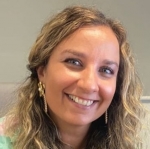
Lillian Barros
Centro de Investigação de Montanha (CIMO)- Instituto Politécnico de Bragança, Portugal
Lillian Barros
Centro de Investigação de Montanha (CIMO)- Instituto Politécnico de Bragança, Portugal
Lillian Barros is an assistant researcher at the Centro de Investigação de Montanha (CIMO), Instituto Politécnico de Bragança and vice-coordinator of CIMO and vice-director of the Associate Laboratory SusTEC. She obtained her degree in Biotechnology Engineering (2002) at the Institute Polytechnic of Bragança and obtained her PhD “Doctor Europeus” in Pharmacy (Nutrition and Bromatology) at the University of Salamanca (2008). She has published more than 600 indexed papers, within the highest impact factor journals in Food Science and Technology area and has a 71 h‐index. She has edited several books and book chapters, registered national and international patents, and is principal researcher of several national and international projects. Her scientific work has raised interest and has led to the supervision of several post-doc, PhD and master students. She has received awards from several different organizations. L.B scientific production has been very relevant and has reached top positions in the world rankings (Highly Cited Researcher in Clarivate since 2016). Her research targets are mainly in the identification, separation, and recovery of functional molecules from different natural products.
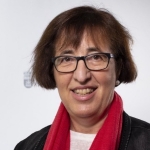
Maria José Tapia
Chemistry Department - Burgos University, Spain
Maria José Tapia
Chemistry Department - Burgos University, Spain
Professor in the Chemistry Department of Burgos University (Spain) with an academic trajectory involving other Spanish Universities: Universidad Autónoma de Madrid (degree in Chemistry), Basque Country University (PhD in Physical Chemistry) and a lecturer position in Navarra University. A long-term collaboration with University of Coimbra has allowed a fruitful scientific and academic exchange of Erasmus students.
The main research interest is focused in electronic spectroscopy working with a wide range of fluorescent probes: rhodamines, coumarins, b-carbolines, lanthanides, fluorenes, polyfluorenes, thiophenes or indolocarbazoles, both in solution or interacting with surfactants, liposomes, DNA or nucleotides, resulting in 54 published articles.
Sérgio Sousa
BioSIM, UCIBIO - Faculty of Medicine of the University of Porto, Portugal
Sérgio Sousa
BioSIM, UCIBIO - Faculty of Medicine of the University of Porto, Portugal
Sergio F. Sousa is a Computational (Bio)chemist specialized in Computational Enzymatic Catalysis, Computer-Aided Drug Discovery and Molecular Recognition. He coordinates the BioSIM research lab (www.biosim.pt), part of UCIBIO and located at the Faculty of Medicine of the University of Porto.
Sérgio F. Sousa holds a BSc in Chemistry and a PhD in Computational Chemistry by FCUP. He has over 124 publications in ISI Web of Science/Scopus journals and over 3700 citations in the field. He was awarded the Prémio de Estímulo à Investigação Gulbenkian 2009 for a Project entitled "Anti-target Docking: The Other Side of the Mirror". He was also the Principal researcher in two projects focusing on the development of computational drug design methods: (1) "An innovative method to calculate drug-receptor binding free energies "PTDC/QUI-QUI/100372/2008"; (2) "Consensus Scoring – An Innovative Method to Find Leads for the Pharmaceutical Industry" (EXPL/QEQ-COM/1125/2013).
His work involves the application of hybrid QM/MM methods, Docking, Virtual Screening, and Molecular Dynamics Simulationsat the interface between chemistry and biology."
Xavier Cattoën
Institut Néel, Grenoble, France
Xavier Cattoën
Institut Néel, Grenoble, France
Dr Xavier Cattoën obtained his PhD from the University of Toulouse, France in 2004. He then moved to the ICIQ in Tarragona, Spain for 3 years of post-doc. He was apointed CNRS researcher in 2007, first at ICG Montpellier, before moving to the Institut Néel, Grenoble in 2013. His research aims at developing organosilica nanoparticles for application in nanomedicine. They can be made of silsesquioxanes, with the development of PMO nanoparticles for drug delivery, or can display a core-shell architecture with a crystalline organic core. The organic functions that are included can be either purely structural, or functional, leading to degradable or fluorescent nano-objects under two-photon excitation
João Salvador Fernandes
Departamento de Engenharia Química - Instituto Superior Técnico, Universidade de Lisboa, Portugal
João Salvador Fernandes
Departamento de Engenharia Química - Instituto Superior Técnico, Universidade de Lisboa, Portugal
João Salvador Fernandes (PhD in Chemical Engineering, Instituto Superior Técnico, 1997), is an associate professor at IST.
His scientific activity, developed at Centro de Química Estrutural - CQE, is focused on the fields of corrosion and electrochemical techniques, with special relevance to Electrochemical Impedance Spectroscopy, but also to the combination of spectroscopic and electrochemical techniques, which provide a powerful set of tools to understand the corrosion and corrosion inhibition mechanisms.
His main objectives are the research and development of new or modified materials with enhanced corrosion resistance, such as aluminium alloys used in the aircraft industry or metallic biomaterials (magnesium or NiTi alloys) used in orthopaedics, dentistry, orthodontics or vascular surgery, which corrosion resistance is a key factor for their biocompatibility. The development of corrosion sensors for aircrafts (one patented sensor) and for biomedical applications is also one of his scientific priorities. The study and improvement of electrochemical techniques, such as electrochemical impedance spectroscopy, or localized electrochemical techniques, as the scanning Kelvin probe (SKP), scanning vibrating electrode (SVET) and localized impedance spectroscopy (LEIS), are also among his scientific priorities.
He has been involved in several national and EU funded projects in these fields, leading to more than 60 papers in international scientific journals, corresponding to an h‑index of 24, with 1645 citations registered in Clarivate Analytics and 1828 registered in Scopus. He also authored 46 papers in international conference proceedings and more than 160 presentations in conferences (including 4 plenary lectures and 10 invited lectures) and holds one patent.
Invited Lectures
(15+5 min)
Carla Vitorino
Faculty of Pharmacy - University of Coimbra, Portugal
Carla Vitorino
Faculty of Pharmacy - University of Coimbra, Portugal
Carla Vitorino (CV) (ORCID: 0000-0003-3424-548X) graduated in Pharmaceutical Sciences in 2007 from the University of Coimbra (UC). In 2013, CV obtained the PhD degree in Pharmaceutical Sciences, in the specialty of Pharmaceutics, by the same institution. Currently, she is Assistant Professor at the Faculty of Pharmacy of the University of Coimbra. She has been working on the application of nanotechnology in drug permeation enhancement strategies for topical, transdermal and drug delivery systems to brain targeting, which has resulted in the publication of several scientific papers in peer-reviewed high impact journals. It brings together vast experience in pharmaceutical technology, standing out in the areas of nanotechnology and regulatory science. Her main research interests are nanotechnology, controlled release and the development of new drug delivery systems in a Quality by Design perspective.
João M. M. Rodrigues
Institute of Materials - University of Aveiro, Portugal
João M. M. Rodrigues
Institute of Materials - University of Aveiro, Portugal
João M. M. Rodrigues studied Industrial Chemistry at Faculty of Science and Technology of University of Coimbra, where he received his first degree in 2007. Then he moved to University of Aveiro, where he completed his MSc and PhD degrees in Chemistry, in 2010 and 2015, respectively. His doctoral research, under the supervision of Prof. João Tomé and Prof. José Cavaleiro, were focused on organic, supramolecular and materials chemistry, exploring the synthesis of different porphyrin- and phthalocyanine-based sensors, functionalization of nanoparticles and optical fibers, for anion recognition. After PhD accomplishment, João M. M. Rodrigues pursued to expand his expertise in organic and supramolecular chemistry by moving to University of Hull, United Kingdom, in 2016, as a Post-Doctoral Researcher, for the development of porphyrin-monoclonal antibody conjugates for photodynamic therapy.
Since 2017 he is a Junior Researcher at CICECO – Institute of Materials, University of Aveiro, joining the COMPASS RG, led by Prof. João F. Mano. His current research interest focuses on the precise modification and functionalization of natural-origin polymers, combination with small/active molecules, for the design and development of innovative bioinspired materials for biomedical applications, specially aimed at being used in bone tissue engineering.
Mafalda Sarraguça
LAQV@REQUIMTE and Faculty of Pharmacy - University of Porto, Portugal
Mafalda Sarraguça
LAQV@REQUIMTE and Faculty of Pharmacy - University of Porto, Portugal
Mafalda Sarraguça graduated in 2000 in Industrial Chemistry from the Faculty of Science and Technology of the University of Coimbra. In 2004 she completed her master's degree in Chemistry, specialization in Chemical Control at the same Faculty. In 2010 Mafalda Sarraguça completed her PhD in Pharmaceutical Sciences, specializing in Analytical Chemistry at the Faculty of Pharmacy of the University of Porto (FFUP) in which the subject of her PhD was the use of near infrared spectroscopy and multivariate data analysis in the pharmaceutical industry. Currently, Mafalda Sarraguça is a researcher at the associated laboratory for green chemistry (LAQV@REQUIMTE) and invited professor at FFUP. Nowadays Mafalda Sarraguça main research interests are focused on Green Chemistry methods applied to the targeted design, synthesis, and characterization of Deep Eutectic Solvents (DES) and Therapeutic Deep Eutectic Solvents (THEDES) for pharmaceutical and cosmetic applications.
Maria Isabel Soares
Coimbra Chemistry Centre- University of Coimbra, Portugal
Maria Isabel Soares
Coimbra Chemistry Centre- University of Coimbra, Portugal
"Maria I. L. Soares received her degree in Industrial Chemistry in 1998 at the University of Coimbra. She obtained her MSc in Chemistry in 2002 and her PhD in Organic Chemistry in 2007, at the University of Coimbra. Between 2007 and 2018 she was Postdoctoral Researcher and Assistant Researcher (Programa Ciência 2008) at the Coimbra Chemistry Centre (CQC). In 2014 she was the Portuguese representative at 6th EuCheMS Organic Division Young Investigators Workshop. Currently she is Researcher at the CQC-IMS (Institute of Molecular Sciences). Her current interests are in the area of heterocyclic organic chemistry and medicinal chemistry."
Tânia Gonçalves Albuquerque
Department of Food and Nutrition - National Institute of Health Dr. Ricardo Jorge, Portugal
Tânia Gonçalves Albuquerque
Department of Food and Nutrition - National Institute of Health Dr. Ricardo Jorge, Portugal
Tânia Gonçalves Albuquerque, is graduated in Nutrition and Food Engineering, since 2003, has a Master in Clinical Nutrition, since 2011, and concluded her PhD in Pharmaceutical Sciences, Nutrition and Food Chemistry speciality in December 2018. Currently, she is developing work at the Department of Food and Nutrition, National Institute of Health Dr. Ricardo Jorge. From 2012, she is an effective member of the Portuguese Council of Nutritionists.
Her main research interests focuses on Nutrition and Food Safety role within Public Health. Her special interest includes the evaluation of the nutritional quality and safety of processed foods, based on their nutritional composition assessment as well as their toxicological potential, aiming to contribute with fundamental information for the implementation of food and nutrition policies to improve the health and nutritional status of the population.
She has more than 40 scientific publications in international peer-reviewed journals, more than 150 communications in international and national conferences. Up to now, she has participated in 5 international projects and 11 national projects. She is member of the Editorial Board and referee of renowned international journals. She imparted lessons in several national Universities and supervised students from different fields of research.
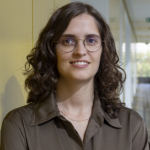
Leonor C. Ferreira
Fraunhofer, Center for Smart Agriculture and Water Management (AWAM) - Régia Douro Park, Vila Real, Portugal
Leonor C. Ferreira
Fraunhofer, Center for Smart Agriculture and Water Management (AWAM) - Régia Douro Park, Vila Real, Portugal
Leonor C. Ferreira studied Biochemistry at the University of Trás-os-Montes e Alto Douro, where she also obtained her MSc and PhD (2022) on the treatment of agro-industrial wastewaters by light assisted Advanced Oxidation Processes. She has been working on the wastewater treatment field since 2016, addressing the treatment of different wastewaters and treatment processes, including disinfection. To this end, she made the proof-of-concept of benchtop scale radiation systems and worked with solar pilot plant scale reactors. Currently, Leonor works at Associação Fraunhofer Portugal Research, at the Center for Smart Agriculture and Water Management (AWAM), located in Régia Douro Park, as a Senior Scientist. Her research interests focus on water and wastewater treatment by heterogenous photocatalysis, electrooxidation and disinfection aiming for water reuse through eco-friendly alternatives."
Workshop
"Crash course on open science and data”
In this "Crash course on open science and data”, you will get know the of (i) why open science is important, (ii) what is data management about, and (iii) the very basics of how and where you can share your data. You will learn how to share data openly and get ready to publish your first dataset. You will bring a dataset (can be a published one, any technique/software) and we will work on it to get it ready to share in way useful both to you and your community.
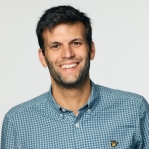
Pedro Mendes
Instituto Superior Técnico - Universidade de Lisboa, Portugal
Pedro Mendes
Instituto Superior Técnico - Universidade de Lisboa, Portugal
I’m assistant professor of Chemical Engineering at Instituto Superior Técnico (Portugal). I enjoy solving chemistry related design problems in a collaborative manner with a strong emphasis on education. My research mainly aims at (i) understanding how catalysts work via mathematical models (catalysis informatics) and (ii) design sustainable processes by combining knowledge of all scales (multi-scale modelling). I have been actively promoting open data practices in the field of
catalysis and training young scientists on FAIR data sharing.